Working farm country
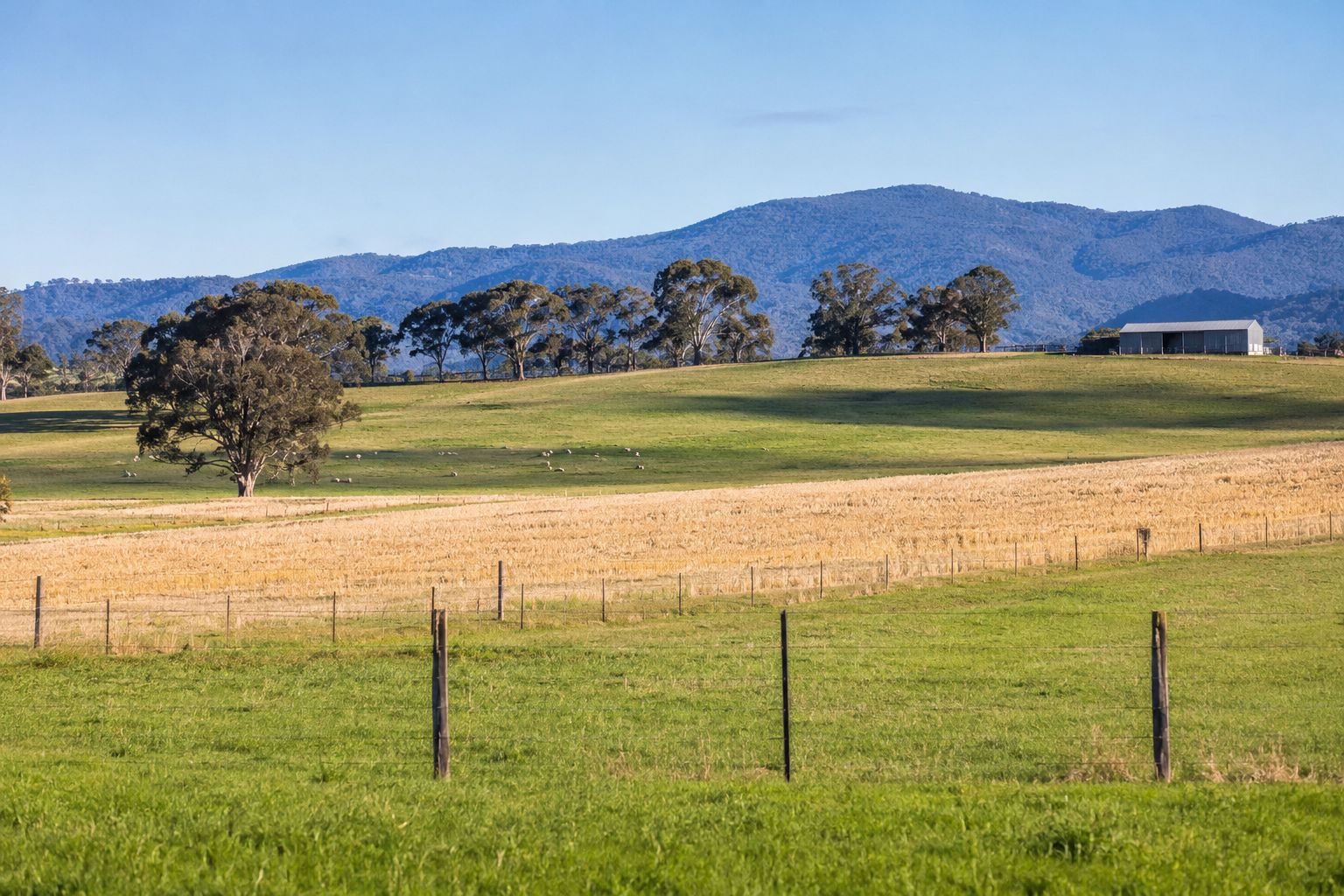
Rural fencing around Molong is mostly stock and boundary work on working farms. Cabonne is one of the few council areas near Orange where farming shows up near the top of the employment table: at the 2021 Census, specialised sheep farming employed 234 people and specialised beef cattle farming 197, the second and third largest industries after hospitals (ABS QuickStats, Cabonne local government area). The council area had 13,766 people and a median weekly household income of $1,538.
That shapes the jobs. Runs are long, the fence has a purpose, and the person on the other side of the boundary usually farms as well and understands what a stock-proof fence is worth. Local Land Services lists Molong among the major towns of its Central Tablelands region (Local Land Services).
The districts and what changes between them
| District | Country | What fencing enquiries are usually about |
|---|---|---|
| Molong and Borenore | Rolling hills, limestone and creek country | Sheep and cattle boundaries, creek crossings, rock in the post line |
| Cudal and Cargo | Mixed farming, more cropping | Long straight boundary and laneway fences, machinery gates |
| Manildra | Cropping and grazing either side of Mandagery Creek | Boundary replacement, flood-prone flats |
| Cumnock and Yeoval | Sheep and cropping, further from town | Long runs where travel is part of the price |
The descriptions in that table are a general guide for scoping a job, not survey data. Tell the contractor what your own ground is like.
Creeks that come up
Molong Creek runs through the town, and Cabonne Council names Molong as one of its priority towns for temporary flood barriers after the 2022 floods (Cabonne Council). Farms along the creeks of this district see the same water before and after it reaches town. If your fence crosses a creek or sits on a flat that goes under, raise it at the start. Flood and fire fence repair explains how crossings are built to be lost and replaced without taking the main fence with them.
Limestone, rock and post driving
Parts of this district have rock close to the surface, and a post driver that meets it stops. Contractors deal with that by drilling, by shifting a post along the line or by changing to a different footing. None of those is a problem if it is expected. All of them are a problem if the quote assumed clean driving. Ask how rock will be charged. The cost factors guide lists the other things that move a quote.
Neighbours who farm
When both sides run stock, agreeing on a boundary fence is usually simple, and splitting it down the middle is the norm. It gets harder when a farm adjoins a block bought for lifestyle, or a property managed from somewhere else. In either case, put the agreement in writing before the contractor starts. Dividing fences between farms sets out the steps if a neighbour will not engage.
Getting a contractor out to Cabonne
Distance matters out here. A contractor based in Orange or Molong will price travel into a job at Yeoval, and a short repair on its own may not be worth the trip. Bundling work helps: if you have a boundary to replace, add the gateway that needs rehanging and the internal fence you have been putting off. Send the district, the stock, the length and a photo through the quote form. For netting and plain wire options see sheep and cattle fencing.
What this page cannot tell you
This page cannot tell you what the ground is like on your line, whether your creek will flood this season or whether a contractor is available for your district this month. The census figures describe the whole Cabonne council area, not Molong alone. The district notes are general. Only someone who walks the fence can quote it, and only your council and Local Land Services can answer approval and clearing questions for your land.
Check the current rules before you rely on this
This page describes the farming country around Molong in the Cabonne council area and what affects rural fencing jobs there. It describes the rules in general terms as they stood in November 2026. Standards, forms, thresholds and fines change.
The authoritative sources are ABS 2021 Census QuickStats: Cabonne (local government area), Local Land Services, Central Tablelands region, Cabonne Council, flood recovery information and support and Dividing Fences Act 1991 (NSW), in-force version dated 7 December 2024 (check the current version). Where anything here differs from those sources, they are right and we are not.
We are not fencing contractors, builders, regulators or lawyers. For what applies to your fence, ask the contractor which licence or registration they hold for your job, then ask NSW Fair Trading or Building Commission NSW if you are unsure, and ask the council that covers the land.
Accurate at the time of writing, November 2026. Always check the source before relying on it.